

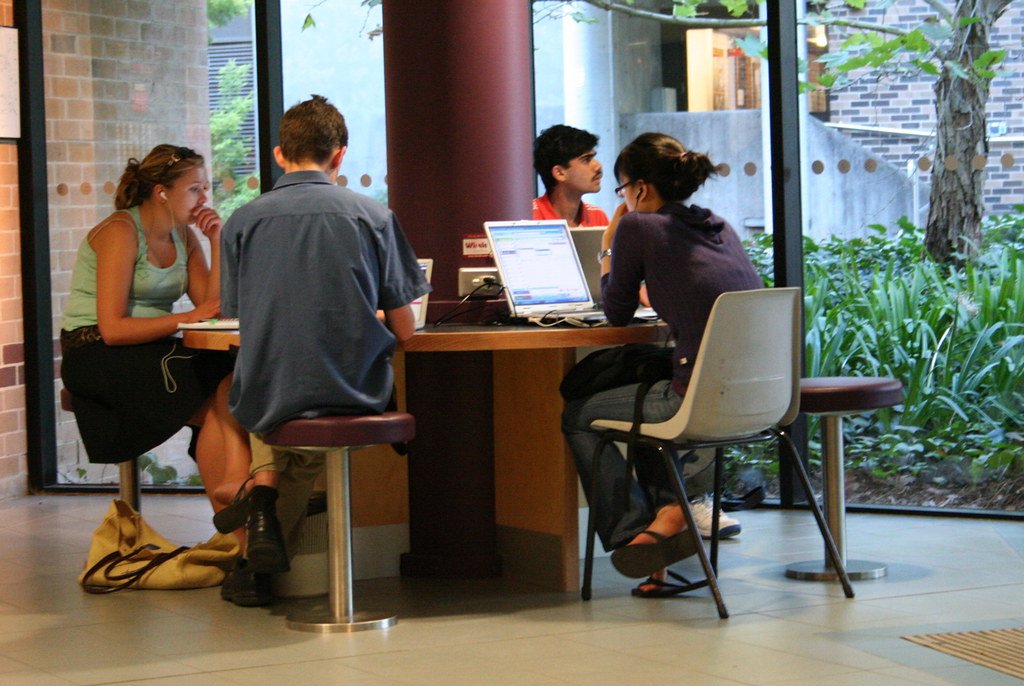
Buying a laptop for college is one of the few purchases that genuinely affects your daily life as a student — you will type thousands of words on it, carry it across campus, and depend on it during exams. The good news is that you do not need the most expensive machine on the shelf, just the right one for your coursework, your budget, and how you actually work. This guide walks through every decision in plain language so you can buy with confidence.
Start with what you will actually do on it
Before looking at a single specification, write down the heaviest tasks your degree will demand. A computer science or engineering student who will compile code, run virtual machines, or work with CAD needs more processing power and memory than a literature student whose hardest job is a browser with twenty research tabs open. Business students often need spreadsheet software and presentation tools running smoothly side by side, while design and media students need a good screen and a machine that can handle photo or video editing without stuttering.
Be honest about gaming too. If you plan to play modern games in the dorm, that requirement alone will shape your budget more than any class will. On the other hand, if your laptop is strictly a study tool and you game on a console or phone, you can save a significant amount of money. Also consider your university’s requirements — some departments publish minimum specifications or require specific software, so check your program’s website before you shop.
The processor: what you need and what you don’t
The processor (CPU) is the brain of the laptop, and marketing makes it sound more complicated than it is. For most students in 2026, any current-generation mid-range processor is plenty. Chips like Intel’s Core i5 or Core Ultra 5 series, AMD’s Ryzen 5 series, or Apple’s M-series base chips handle essays, research, video calls, streaming, and even light programming with ease.
You should step up to a higher-tier processor (Core i7 / Ryzen 7 or above) if you regularly edit video, compile large codebases, run engineering simulations, or do 3D work. You can step down to a budget chip (Core i3, Ryzen 3, or equivalent) only if your use is genuinely light — documents, web browsing, and streaming — and even then, a mid-range chip is usually worth the small price difference because it keeps the laptop usable for an extra year or two. Avoid very old or entry-level processors on clearance if the laptop must last all four years; a slow CPU is the one thing you cannot upgrade later.
RAM and storage: the two specs that matter most day to day
If you remember nothing else from this guide, remember this: 16 GB of RAM and a 512 GB solid-state drive (SSD) is the sweet spot for a college laptop in 2026. RAM is your workspace — with 16 GB you can keep a browser full of tabs, a word processor, a video call, and a music app open at once without slowdowns. Eight gigabytes still works for light use, but it is the bare minimum now, and you will feel the limit by your second or third year.
Storage is where your files live, and SSDs are non-negotiable — they make everything from booting up to opening apps dramatically faster than old-style hard drives. A 512 GB SSD comfortably holds your operating system, apps, documents, photos, and a reasonable media collection. Choose 256 GB only if you store most things in the cloud and are disciplined about it; many students fill 256 GB faster than expected. One terabyte is nice to have, especially for media-heavy majors, but it is a luxury rather than a need. If possible, check whether the laptop’s RAM and storage can be upgraded later — some thin laptops solder everything in place, which locks you into your original choice.
Screen, keyboard, and portability
You will stare at this screen for hours every day, so do not treat it as an afterthought. A 13 to 14-inch display is the sweet spot for most students: large enough to work on comfortably, small enough to fit on cramped lecture-hall desks and in a backpack. Fifteen or sixteen-inch machines give you more screen room but add noticeable weight and bulk that you will feel walking across campus.
Look for a Full HD (1920×1080) resolution or better and, if you can, an IPS or OLED panel, which keeps colors accurate and readable from different viewing angles — useful when a classmate leans in to look at your screen. Brightness matters more than people realize: 300 nits or higher makes the screen readable in bright classrooms and near windows. The keyboard deserves a hands-on test if you can visit a store — you will type on it constantly, so keys should feel comfortable with decent travel, and a backlit keyboard is genuinely useful for late-night study sessions. A precise, smooth trackpad matters too, since you will not always have a mouse with you.
Battery life: plan for a full day of classes
Lecture halls do not always have a free power outlet, so battery life is a practical necessity rather than a perk. Look for a laptop rated for at least 8 to 10 hours of real-world use, and read independent reviews rather than trusting the manufacturer’s number, which is usually measured under ideal conditions. Smaller, efficient processors and lower-resolution screens generally sip less power, which is one reason thin-and-light laptops often outlast bulkier machines.
A laptop that charges over USB-C is a quiet advantage — you can top up from a compact charger or even a power bank in a pinch, and one cable can handle charging, an external monitor, and accessories. Also consider how the battery will age: after two or three years of daily charging, capacity drops noticeably, so starting with strong battery life gives you a cushion. Check whether the laptop supports battery-charge limiting (stopping at 80 percent), a feature that slows long-term wear if you mostly use it plugged in at your desk.
Windows, macOS, or Chromebook?
This choice is simpler than the internet makes it sound. Windows is the default recommendation for most students because it runs the widest range of software, including the specialized engineering, statistics, and business applications many courses require. If your department uses Windows-only software, the decision is made for you.
MacBooks (macOS) are excellent machines — fast, efficient, with outstanding battery life — and they are popular with design, media, and programming students. The trade-offs are price and software compatibility: they cost more for equivalent performance, and some niche academic software has no Mac version. Chromebooks are cheap, simple, and fine for students whose work lives entirely in a browser and Google Docs, but they cannot run traditional desktop software, which rules them out for many technical degrees. When in doubt, ask upper-year students in your major what they use — that is the most reliable compatibility signal you will get.
Build quality and warranty
A college laptop lives a rough life: backpacks, crowded desks, coffee spills, and four years of daily use. An aluminum or magnesium body resists dents and flexing far better than cheap plastic. A sturdy hinge is worth more than a flashy feature list — wobbly screens get worse with time. If you can, pick the laptop up in a store and open the lid with one finger; it should feel solid, not creaky.
Check the warranty terms before buying. A standard one-year warranty is normal, and many manufacturers offer affordable extensions to two or three years — worth considering for a machine you depend on daily. Also look into your university’s IT help desk: some schools offer free or discounted repairs for students, which can make a cheaper warranty plan perfectly adequate. Keep your purchase receipt and register the product; you will be glad you did if anything breaks during exam season.
What you should expect to spend
Prices change constantly, so always check current prices before buying — but as a rough guide, here is what money buys. Under a tight budget, a well-chosen machine with a mid-range processor, 8 GB of RAM, and a 256–512 GB SSD can cover basic coursework, though you should verify the specs carefully at this price. The best value for most students sits in the mid-range: 16 GB of RAM, a 512 GB SSD, a good screen, and solid battery life. Premium ultrabooks and MacBooks cost more but deliver better build quality, screens, and battery life.
Spend extra only where it matches your needs: more RAM and storage for technical majors, a better screen for design work, a dedicated graphics card only if you game or do 3D work. Do not pay extra for features you will not use — a touchscreen on a traditional laptop, for instance, adds cost and drains battery while adding little for most students. Time your purchase around back-to-school sales if you can; student discounts from major manufacturers can take a meaningful chunk off the price with a valid student email.
Final Thoughts
The best college laptop is not the fastest or the flashiest — it is the one that quietly handles your coursework for four years without getting in your way. Match the machine to your major, prioritize 16 GB of RAM and a 512 GB SSD, make sure it survives a full day of classes on battery, and buy from a brand with decent support. Do that, and you will spend your college years studying instead of troubleshooting.
