

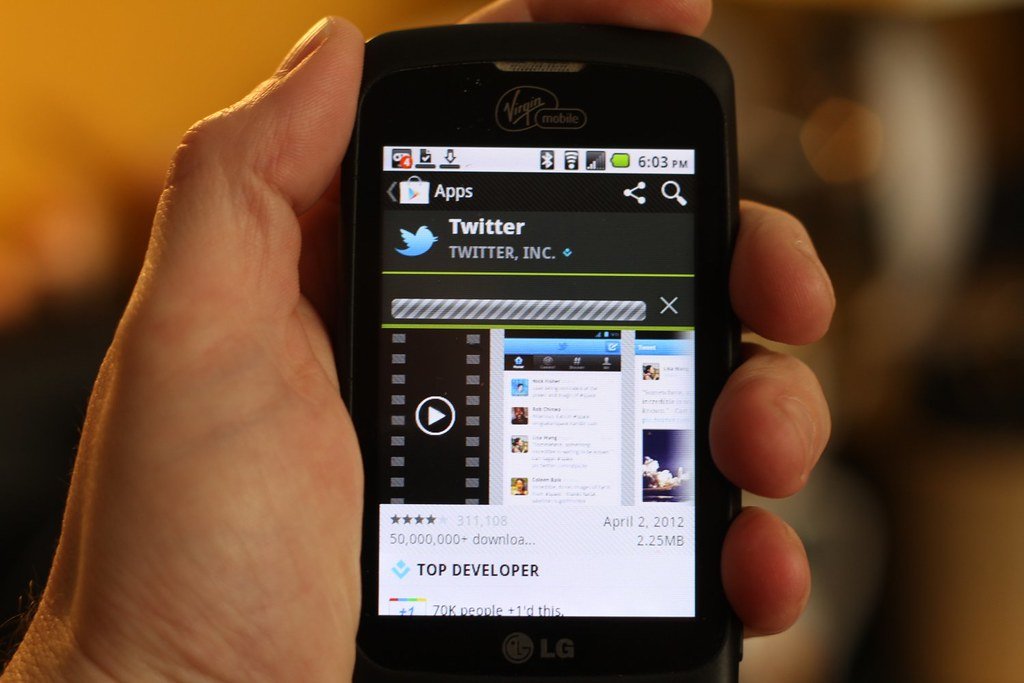
The Play Store holds millions of apps, and finding the genuinely useful free ones feels like searching for signal in noise. Many “free” apps are stuffed with ads or push paid upgrades for basic features. This list focuses on free Android apps that respect your time: genuinely useful, sensibly designed, and free without nasty surprises. Categories are what matter here rather than hype — install what fits your life and skip the rest.
Notes and organization
A good notes app is the closest thing to a second brain, and the best one is the one you will actually open. Google Keep remains the simplest starting point: quick notes, checklists, voice memos, and reminders, all synced to your Google account so your notes follow you to any device. Its strength is speed — you can capture a thought in seconds, which is exactly what a notes app must do.
If your notes are getting serious — study notes, project planning, long documents — step up to Notion or Obsidian. Notion’s free tier is generous and excellent for organized databases, shared pages, and structured planning. Obsidian keeps everything as plain files on your device, which appeals if you want your notes to stay private and portable rather than locked in a cloud service. Either one is a major upgrade once Keep starts feeling too simple. The key advice: pick one notes app and commit to it. Notes scattered across three apps are notes you will never find again.
File management and storage
Android gives you a real file system, and a proper file manager makes it useful. Files by Google is free, clean, and does the essentials well: browsing files, freeing space with smart cleanup suggestions, and sharing files offline with nearby devices. For most people it is all the file manager they need.
Pair it with a cloud backup habit. Google Drive‘s free 15 GB (shared across Google services) covers documents and important files for light users. The practical tip that matters: turn on automatic backup of your photos and your WhatsApp chats — those are the two things people actually cry about losing when a phone breaks or gets stolen. A free app only protects you if you set it up before you need it, so do this today, not after disaster strikes.
Communication and staying in touch
Messaging is personal and regional — use whatever your friends and family use. Beyond the obvious chat apps, two free tools earn their place. Google Messages has matured into a solid default SMS app with spam filtering and, where supported, richer RCS messaging with read receipts and high-quality media sharing. If your phone shipped with a weaker default messaging app, switching is a free upgrade.
For video calls, Google Meet is free, reliable, and works in a browser without installs for the person on the other end — handy when calling relatives who struggle with technology. The broader lesson: before installing yet another chat app because it looks nice, check whether the people you actually talk to are on it. A messaging app with none of your contacts is just an icon.
Photography and creativity
Your phone’s built-in camera app is usually tuned best for its own hardware, so the wins here are in editing. Snapseed, Google’s free photo editor, is remarkably powerful: precise exposure and color controls, selective adjustments, healing for removing distractions, and it handles the editing basics that cover 95 percent of photos. It has no ads and no subscription — increasingly rare.
For quick social-ready edits, Canva‘s free tier covers posters, thumbnails, and social posts with templates that look professional with minimal effort. If you shoot video, CapCut‘s free version handles trimming, captions, and basic effects well enough for short-form content. One caution: free creative apps sometimes change their terms or paywall features over time, so it is worth checking current reviews before you invest hours learning one deeply.
Health, fitness, and wellbeing
You do not need a paid fitness subscription to build a healthy habit. Google Fit quietly tracks steps, active minutes, and heart points in the background with no fuss, and it syncs with most fitness devices. For guided workouts at home, free apps with bodyweight routines can replace a gym for beginners — look for ones with clear video demonstrations and no mandatory account creation.
Sleep and habit tracking deserve a mention too. A simple free habit tracker — one that lets you check off daily habits like reading, exercise, or drinking water — is surprisingly motivating because streaks work on human psychology. And if you spend long hours on screens, enable Android’s built-in Digital Wellbeing dashboard (already on your phone, no install needed): app timers and bedtime mode are free tools most people never open, and they genuinely help.
Learning something new
Your phone can be a classroom if you let it. Duolingo‘s free tier makes language learning a daily five-minute game — it will not make you fluent alone, but it builds a real habit and real vocabulary. Khan Academy is completely free with no upsell and covers school and college subjects with excellent video lessons; students should know about it before paying for any tutoring app.
For reading, Google Play Books and Libby (free ebooks and audiobooks through your local library, where available) turn waiting time into reading time. And Google’s Lens — often preinstalled — is an underrated learning tool: point it at a plant, a landmark, a math problem, or text in another language and get instant answers. The best learning app is the one matched to a specific goal, so define the goal first (“learn Spanish basics” beats “learn something”).
Security and practical utilities
A few free utilities solve real problems. Bitwarden is a free, open-source password manager — and using one is the single biggest security upgrade most people can make, because it lets every account have a unique strong password without you memorizing any of them. This matters more than any antivirus app.
Google Authenticator (or any free authenticator app) enables two-factor authentication properly, which protects your accounts even if a password leaks. For everyday practicality: a free QR scanner (many camera apps do this natively now), Google Translate with offline language packs for travel, and your bank’s official app — but only the official one, downloaded by searching carefully, since fake banking apps are a real scam vector. Speaking of safety: never install apps from outside the Play Store unless you know exactly why, and check an app’s permissions — a flashlight app has no business reading your contacts.
How to choose apps wisely (and keep your phone fast)
More apps is not better. Every installed app can consume storage, run background processes, and request your data. Before installing anything free, run this quick check:
- Read recent reviews, not just the star average — look for complaints about ads, battery drain, or features moved behind paywalls.
- Check the permissions it asks for at install and in Settings. Deny anything that does not make sense for what the app does.
- Prefer apps from known developers with a real website and a privacy policy you can find.
- Uninstall ruthlessly. If you have not opened an app in a month, remove it. You can always reinstall later.
- Watch for “free” traps: aggressive ads, subscriptions disguised as free trials, and apps that lock your own data behind payment to export it.
Also revisit your app list every few months. Phones slow down less from age and more from accumulation — dozens of forgotten apps updating and syncing in the background. A lean phone is a fast phone.
Final Thoughts
The best free Android apps share three traits: they solve one problem well, they do not punish you for not paying, and they respect your data. Start with the essentials — notes, backup, a password manager, and two-factor authentication — then add apps for your hobbies and goals. And remember that the most powerful free “app” on your phone is good judgment about what to install in the first place.
